
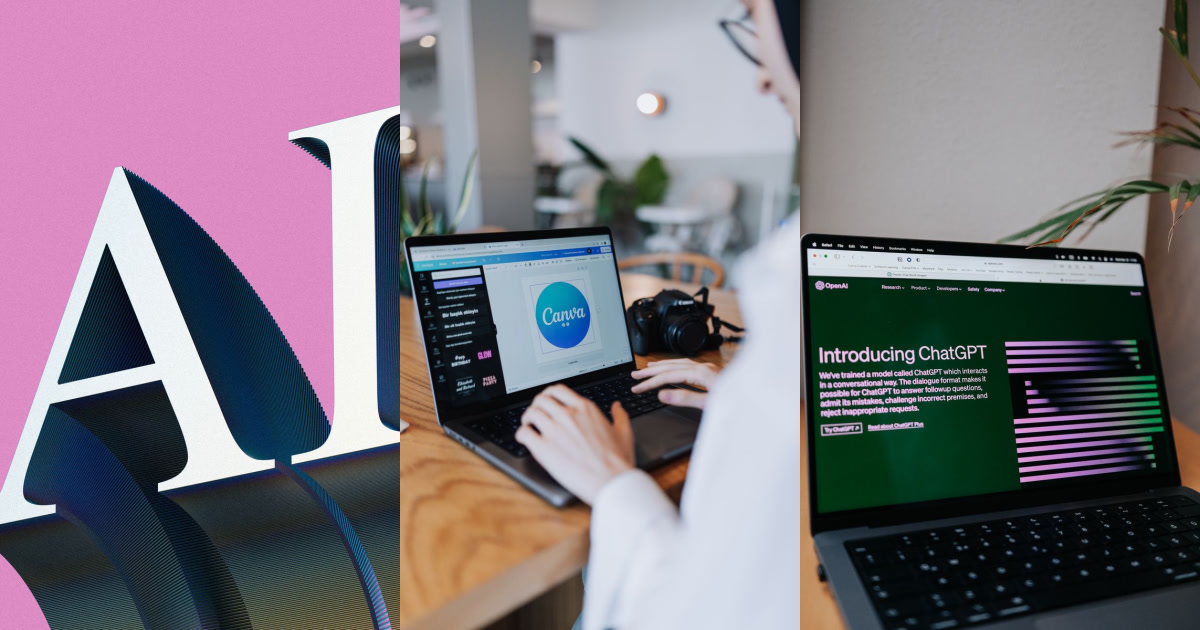
Canva's 2026 Challenge: Generative AI and the Future of Design Platforms
Canva faces a growth slowdown in 2026 as generative AI reshapes the design landscape, prompting a rethink.
Last updated: 2026-11-08
The year 2026 marks a pivotal moment for technology, especially for established platforms facing the transformative power of artificial intelligence. Canva, the Australian design software giant that has spent over a decade democratising design, is currently navigating its first growth slowdown in ten years. This comes alongside a significant restructure, impacting 22% of its workforce, as reported in November 2026 shows.farm.
Canva's initial success stemmed from making sophisticated design accessible to everyone, enabling businesses and individual creators to produce high-quality visuals without the need for specialist software or extensive skills. However, the landscape has dramatically shifted. Generative AI tools are now performing many of these same tasks, often with simple text instructions, posing a formidable competitive threat.
The Generative AI Threat
As Vinne Schifferstein Vidal, co-founder of AI production specialist MC&V, succinctly puts it, 'Why use Canva if you can generate what you need directly through other tools?' shows.farm. This question lies at the heart of Canva's current challenge. If generative AI can produce high-quality visuals from a text prompt, it potentially removes the need for a dedicated design platform altogether for many users.
This isn't just about a new feature; it's about a fundamental shift in how content is created. The efficiency and accessibility that Canva pioneered are now being redefined by AI, which can often deliver a 'finished' product with even less manual input. For solo creators, small businesses, and even larger enterprises, the appeal of bypassing a design tool in favour of a direct AI generation workflow is clear.
The Read-Only Problem in Broader AI Integrations
This phenomenon isn't exclusive to design. We see similar 'read-only' limitations in other AI integrations for creators. For instance, in November 2026, Claude's YouTube integration, facilitated by vidIQ, allows for reading YouTube keyword data, trends, and competitor analysis. However, it cannot upload videos, edit titles or descriptions, schedule posts, or reply to comments directly shows.farm. This highlights a critical gap: analytical insights are useful, but if they don't lead to actionable changes within the same tool, they leave creators with a fragmented workflow. Canva's position faces a similar challenge: if AI can create the final design without needing to be edited within Canva, its core value proposition is undermined.
The Shifting Landscape for Creators
The impact of AI on established platforms is forcing a re-evaluation of pricing models and core offerings across the board. In the social media scheduling space, for example, X/Twitter's API costs have led to complex pricing structures. Later dropped X/Twitter support entirely in August 2025 due to high API costs, a situation that persists in October 2026 shows.farm. Metricool, while offering a 'per-brand' model, charges an extra €10 per account per month for X/Twitter shows.farm. These additional costs and platform limitations add complexity for creators trying to manage their digital presence efficiently.
For solo creators, particularly those focused on visually driven platforms like TikTok and YouTube, the need for integrated, actionable tools is paramount. Generic AI tools that offer 'read-only' functionality, or design platforms that are superseded by direct AI generation, simply don't provide the end-to-end solution creators need in 2026.
This is where a platform like ShowsFarm offers a distinct advantage. ShowsFarm acts as a comprehensive content pipeline for solo creators generating TikTok photo carousels and YouTube Shorts. It allows users to connect channels, generate niche-aware slideshows with AI, review every slide, and then schedule and publish directly from one dashboard. This eliminates the 'read-only' problem and the need to export and manually upload, providing a streamlined workflow that truly empowers creators to leverage AI for direct content publication, not just analysis or initial design ideas. With unlimited AI slideshow generation and full queue management included in the Pro plan at £11 per month or £99 per year, ShowsFarm offers a predictable and cost-effective solution for creators navigating the complexities of 2026's AI-driven landscape.